When Wedding Venue Details Change: What Couples Need to Know (and What to Do Next)
At some point in planning, a couple realizes something doesn’t line up the way they thought it would. It’s usually not dramatic at first. It shows up as a question. A timeline feels tighter than expected. A vendor is told they can’t arrive when they planned. A space isn’t available the way it was pictured. Then it starts to feel bigger: Wait…is the venue changing things on us?
This situation doesn’t happen in most weddings, but it happens often enough that it’s worth understanding before you’re in it. What couples interpret as “changes” are often a mix of contract terms, operational realities, and assumptions that weren’t clearly defined at booking. Once you understand how venues actually operate, these situations become much easier to navigate. When Wedding Venue Details Change: What Couples Need to Know (and What to Do Next) — Adler Ranch
This is where a lot of couples start searching for answers—wondering if they’re dealing with a misunderstanding or a real wedding venue contract issue. Questions like “what if a venue doesn’t honor what was promised?” or “what should you do if your wedding venue changes details after booking?” are more common than most people realize.

Most venues are not out here changing terms or creating problems.
But weddings involve:
long timelines
multiple conversations
evolving details
And occasionally, things get lost between what was said, what was understood, and what was formally agreed to.
What “Changes” Actually Mean (And What They Don’t)
The first thing to do is separate what feels like a change from what actually is one. If you feel like your venue has changed something or you’re dealing with a potential wedding venue problem or contract concern, don’t panic—but don’t ignore it either.
In real wedding operations, most of these situations fall into clarification—not change.
A clarification happens when planning gets specific. Early in the process, everything feels broad and flexible. You tour the space, you talk through possibilities, and your brain fills in the blanks with how you think the day will work. That’s normal. But once vendors get involved and timelines start forming, those assumptions get tested against reality.
For example, a couple may assume their florist can arrive at 8:00 AM because the ceremony is later in the day. But if their contract begins at 10:00 AM, the venue isn’t staffed, unlocked, or ready before that time. That’s not a change. That’s the contract being applied.
A true change is different. That’s when something that was clearly agreed to—written, defined, and understood—is no longer being honored. Reduced access time, removal of a promised feature, or a newly introduced restriction that directly alters your plan. Those are legitimate concerns and should be addressed directly.
The problem is that most couples don’t realize which situation they’re in. They respond to a clarification like it’s a breach, and that escalates things unnecessarily. The first job is figuring out which one you’re actually dealing with.
Clarifications vs. Changes
A clarification is when a venue explains something more clearly than before:
Vendor arrival times are tied to your rental window
Setup is included, but only for specific items
Access to suites ends at a certain point in the day
A true change is when something materially shifts:
Hours are reduced
A promised feature is removed
A policy is introduced that wasn’t disclosed
Those are not the same thing. Most frustration comes from couples thinking something was included or flexible when it wasn’t clearly defined in the first place. That’s not always a venue “changing things”—it’s often a communication gap that surfaces later.
Why Venue Details Sometimes Shift
From the outside, a wedding venue looks like a property. From the inside, it runs more like a production.
Every wedding day is built on timing, staffing, coordination, and cleanup. When something feels like it’s shifting, it’s almost always tied to one of those four things.
The biggest one is time.
Couples consistently underestimate how tightly time is managed at a venue. Not because they’re careless, but because they’re seeing the day as a celebration, not an operation. If your contract starts at 10:00 AM, that is when staff either begins their workday for your event, or it is when the set up time is complete and the venue is ready for their clients to enter. Before that, there may have been another event, a cleanup, or simply no staff scheduled at all. Opening early isn’t just unlocking a door. It requires labor, supervision, and additional cleanup on the back end.
Vendor timing creates another layer. Experienced venues have learned—usually the hard way—that open-ended vendor access leads to problems. Vendors arrive too early, disrupt other setups, or assume access that wasn’t approved. That’s why arrival windows tighten over time. Not to make things difficult, but to make the day predictable.
Then there’s cleanup, which couples rarely think about during booking. The event doesn’t end when the last guest leaves. Tables are cleared, trash is removed, floors are cleaned, furniture is reset, and the property is secured. If timelines run late, that entire process shifts into the night. That’s why end times are enforced more strictly than couples expect.
Independent venues, especially, adjust these boundaries based on experience. If something caused stress in past weddings, it gets tightened. That’s not instability. That’s a business learning what works and what doesn’t.
The Difference Between What Was Said and What Was Agreed To
Most of the tension in these situations doesn’t start with the venue changing something. It starts much earlier, during booking.
Couples are making decisions quickly. They’re comparing venues, looking at photos, trying to picture their day, and asking general questions. “What’s included?” “Do we get the whole day?” “Is setup handled?”
The answers are often broad because the questions are broad.
The issue shows up later when those broad answers meet specific plans.
“Included setup” becomes a point of friction when the couple expects full décor styling, but the venue meant tables and chairs. “Full day access” feels different when the actual hours are defined in the contract. “Flexible timeline” becomes less flexible when vendors need structure.
None of this is unusual. It’s what happens when expectations are built on general conversations instead of defined terms.
There’s also a tendency to rely on memory instead of documentation. A couple remembers a conversation from a tour six months ago. The venue is operating off the signed agreement. When those don’t match, it feels like something changed—even when it didn’t.
This is why most contract guidance emphasizes written clarity over verbal understanding. Major wedding publications regularly point out that if something matters, it needs to be documented—not assumed (you’ll see this reinforced in places like Brides when they cover vendor contracts and expectations).

Independent Venues Change the Experience
At independently owned venues, you’re typically working with:
the same people from start to finish
the decision-makers—not a rotating staff
someone who remembers your wedding, not just your file
A well-structured venue setup removes guesswork for vendors and families
That consistency matters.
What Actually Counts as a Real Issue
Let’s be clear, because not everything that feels frustrating is a contract problem.
A true issue looks like:
Your contracted access time being reduced
New required fees appearing that weren’t disclosed
A space you booked no longer being available without a comparable option
Vendor rules changing in a way that conflicts with your agreement
Services being removed that were clearly included
Those are worth addressing.
What’s not the same:
“I thought that was included”
“We talked about this, but it’s not written down”
“Another couple said they had this”
That doesn’t make your frustration wrong—but it does change how you move forward.
How to Handle It Without Creating a Bigger Problem
If you’re in this situation, the goal is not to react quickly. The goal is to get clear.
Start with the contract. Not the email chain, not what you remember, not what someone told your mom. The contract defines how the venue is required to operate. Look at your access times, included services, and any vendor-related language. That will tell you what was actually agreed to.
Once you’ve done that, reach out—but keep your language neutral. The fastest way to shut down a productive conversation is to open with an accusation. Instead of asking why something changed, ask how something works. There’s a big difference between “This isn’t what we were told” and “Can you walk me through how this is handled?”
Then identify what kind of situation you’re in. If it’s a clarification, the solution is understanding. If it’s a true change, the solution is resolution. You can’t approach those the same way.
Finally, get everything confirmed in writing. Not because you’re expecting a problem, but because weddings move fast, and details get lost. A clear email summary protects both sides and keeps things from circling back later.

The Grain Bin Bar at Adler Ranch
A well-structured venue setup removes guesswork for vendors and families
The Grain Bin Bar: the best wedding bar experience in the Alexandria MN area!
The Role of Independent Venues vs. Corporate Venues
Where you booked matters more here than most couples realize.
At an independently owned venue, the people you’re talking to are usually the ones who built the process. You’re likely speaking directly with the owners and operators, you won’t see any staff turnover, you’ll have the same contacts during your entire wedding planning experience. They’ve seen the issues firsthand. They know where things break down. When you ask a question, you’re getting an answer based on experience, not policy scripts.
That also means accountability is direct. If something needs to be clarified or adjusted, you’re not waiting for it to move through layers of management. You’re dealing with the source.
At larger or corporate venues, the structure is different. Policies are standardized to manage volume. Staff members are trained to follow those policies, not reinterpret them. Communication tends to move slower, and flexibility is more limited—not because they don’t care, but because consistency across events is the priority.
Neither model is inherently wrong, but they operate differently. And when questions or concerns come up, that difference becomes very noticeable.

Why Trust Matters More Than Anything Else
Couples don’t just need a beautiful venue.
They need a predictable, consistent wedding experience.
How to Prevent This From Happening in the First Place
The couples who avoid these situations are not luckier. They’re more specific earlier.
They ask operational questions instead of general ones. Not just what’s included, but how the day actually runs. When can vendors arrive? Who is placing décor? What happens if the timeline shifts? When does cleanup begin?
They also make sure important details are written into the agreement. Not assumed. Not remembered. Written.
And they understand what they’re actually booking.
A venue is not just a space you rent for a day. It’s a structured window of time supported by staff, coordination, and responsibility. Once you see it that way, most policies stop feeling restrictive and start making sense. If you’re not sure what to ask, start here: 10 Smart Questions to Ask Before Booking a Wedding Venue in Minnesota — it walks through the exact questions that prevent confusion later.
What Your Options Actually Look Like
Depending on the situation, you have a few paths. The key is choosing the right one based on what’s actually happening—not just how it feels in the moment.
1. Clarify and Resolve
This is where the majority of situations land.
Before assuming something has changed, go back to your contract and compare it to what’s being communicated. Most of the time, what feels like a change is actually a detail that wasn’t fully understood during booking. Once timelines, vendors, and logistics come into play, those details become more defined.
Start by asking direct, neutral questions:
“Can you walk me through how this works based on our contract?”
“I want to make sure I understand what’s included and what isn’t.”
This approach keeps the conversation productive and avoids putting the venue on the defensive. When communication stays clear and specific, most issues get resolved quickly without escalation.
In many cases, couples walk away from this step realizing nothing was actually changed—it just needed to be explained in operational terms.
2. Adjust Expectations
This is the part couples don’t love, but it’s often the most realistic outcome when the contract supports the venue.
If your agreement clearly outlines:
your access time
what is included in setup
vendor restrictions
end-of-night expectations
…then the venue is operating within what was agreed to, even if it doesn’t match what you originally pictured.
At that point, the decision becomes practical, not emotional:
Can your timeline be adjusted?
Can vendors adapt to the schedule?
Can certain expectations be scaled back or shifted?
This is where experienced venues tend to guide couples through workable solutions. It may not look exactly how you imagined, but it can still run smoothly when expectations align with how the venue actually operates.
3. Escalate Thoughtfully
If something truly does not align with your contract, escalation may be appropriate—but it needs to be handled carefully.
This is not the time for emotional emails or broad accusations. Keep everything:
specific
documented
tied directly to your agreement
Instead of saying:
“This isn’t what we were promised”
Say:
“Our contract states access begins at [time], and we’re being told something different. Can you help clarify how this will be handled?”
That keeps the focus on resolution, not conflict.
Escalation should always start with giving the venue a clear opportunity to respond. Most reputable venues will work to correct or clarify the situation when presented with specific, documented concerns.
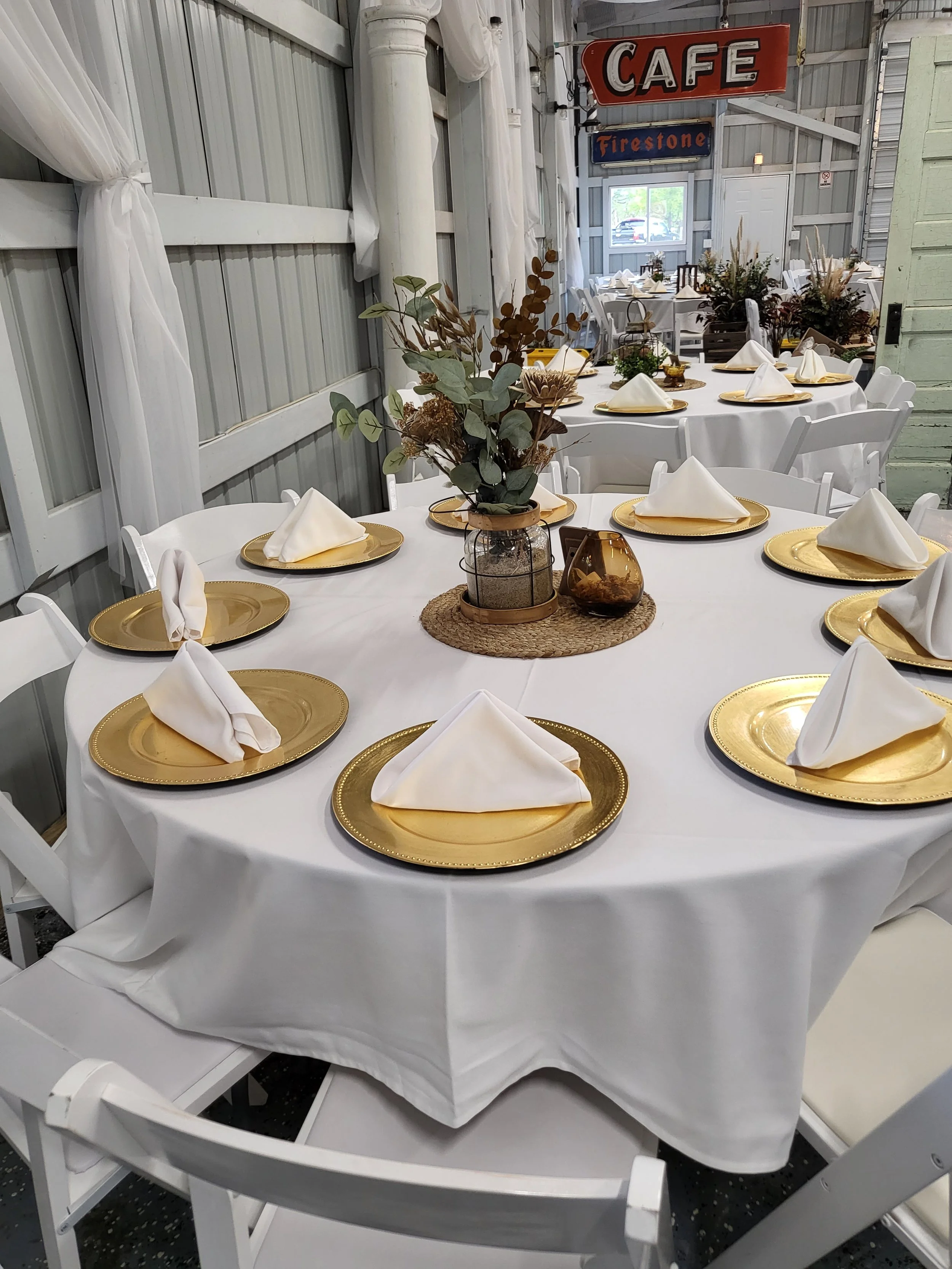
Venue Expectations
Most venue “problems” are expectations that were never clearly defined.
4. Seek Outside Guidance (When Necessary)
This is rarely needed—but it does have a place in more serious situations.
If you’re dealing with:
a significant reduction in services
a major change in access or availability
financial concerns tied to your agreement
…it may be worth getting a second opinion.
That could mean:
reviewing your contract with a legal professional
consulting with someone experienced in event contracts
understanding your financial options before making a decision
However, most wedding venue issues do not reach this level. The majority are resolved through clarification and communication long before outside involvement is necessary.

The Banquet Barn at Adler Ranch Wedding Venue
A Real-World Scenario Most Couples Don’t See Coming
Not every issue comes from a venue doing something wrong. Sometimes it comes from information not being shared.
We’ve seen situations where a couple booked the venue, received the contract, emails, and planning information—but didn’t pass that information along to the people involved in the day.
On the wedding morning, family members—often a well-meaning parent—start making changes. They question the setup. They expect different timing. They assume flexibility that doesn’t exist. Meanwhile, the wedding party doesn’t know the expectations, vendors are asking questions, and small issues—like cleanup, timing, or space usage—start to create friction.
From the venue’s perspective, nothing changed. Everything was set up exactly as directed and agreed upon. From the family’s perspective, it feels like something is wrong.
That disconnect creates unnecessary tension on a day that should run smoothly.
This is a good example of how “something feels off” doesn’t always mean something changed. Sometimes it means the right information didn’t reach the right people.
What made this difficult wasn’t a venue issue—it was a communication gap. The couple had all the correct information from the beginning, but the people helping on the wedding day didn’t. Once emotions entered the situation, it felt like something had changed, even though everything was being executed exactly as planned.
Situations like this are preventable, but only when expectations are clearly shared with everyone involved—not just the couple.
What Most Couples Don’t Realize About Venue Contracts
Wedding venue contracts are not just formalities—they are operational documents.
They outline:
when your day starts and ends
who is responsible for what
what is included (and what is not)
how vendors are expected to operate
Guidance from Brides consistently reinforces this—couples should make sure all expectations, services, and limitations are clearly defined in writing to avoid misunderstandings later.
Consumer protection guidance from the Federal Trade Commission also reinforces that contracts are legally binding documents, and both parties are expected to operate based on the written agreement—not verbal assumptions or informal conversations.
Here’s what that means in real terms:
If it’s not written, it’s not guaranteed.
If it’s written, that’s what the venue is operating from.
That’s not a technicality—it’s how events stay structured and predictable.
The Truth Most Blogs Won’t Say
A venue does not sell space.
A wedding venue sells time, labor, and coordination.
That includes:
staff hours
setup and teardown
vendor management
property use and cleanup
When something feels restricted, it’s usually tied to one of those—not an arbitrary rule.
This is also why contracts evolve over time. Policies are often adjusted based on real wedding experience—what caused delays, what created confusion, and what disrupted timelines.
That’s not about making things harder for couples.
That’s about preventing the same problems from happening again. Understanding how timing works is one of the biggest pieces of avoiding issues like this. If you haven’t mapped that out yet, this guide breaks it down clearly: How to Craft a Memorable Wedding Day Timeline
What This Looks Like in Extreme Cases (And Why It Matters)
While most venue-related concerns are minor and resolved through communication, there have been real situations where issues went much further.
In 2024, a Minnesota wedding venue closed abruptly, leaving multiple couples without a venue and without clear answers about refunds. Many had already paid thousands of dollars toward their wedding. Communication stopped, and couples were left scrambling to find alternative locations on short notice. https://kstp.com/kstp-news/top-news/wedding-vendors-from-around-the-state-step-up-to-help-couples-left-without-a-venue-to-say-i-do/
In some cases, legal action followed, and financial issues tied to the business—including bankruptcy filings connected to related operations—added another layer of uncertainty for those affected.
This is not the norm—but it’s a clear example of why contracts, communication, and understanding how a venue operates matter.
The takeaway isn’t fear.
It’s knowing what a stable, well-run venue looks like—and recognizing early when something doesn’t align with that.
What to Say to Your Venue (If You’re Unsure)
Most couples don’t know how to word these conversations, so they either avoid them or come in too strong.
Here’s a simple way to handle it:
If you’re confused:
“I want to make sure I understand how this works based on our agreement. Can you walk me through it?”
If something feels different:
“I’m reviewing our contract and want to confirm how this will be handled so we’re aligned.”
If something truly doesn’t match:
“Our agreement outlines [specific detail]. Can you help clarify how this will be addressed?”
This keeps the conversation:
clear
professional
and focused on resolution
Not emotion.
Final Reality Check
Most wedding venue issues are not disasters. They are misunderstandings that show up late in the process—when timelines, vendors, and expectations finally meet reality.
And almost all of them come down to:
unclear expectations
assumptions made early
or details not fully understood at booking
The couples who avoid stress are not luckier.
They:
read their contracts carefully
ask specific questions early
and make sure the right people involved in the day understand the plan
That’s what keeps a wedding day running the way it should. In most cases, this isn’t about a venue doing something wrong. But when something truly doesn’t align with your contract, it’s important to recognize it early and address it directly. Knowing the difference between a misunderstanding and a real issue is what protects your time, your investment, and your overall experience.

Red Flags to Watch Before You Book a Wedding Venue
Most couples don’t run into major issues—but the ones who do usually missed something early.
These are the patterns to pay attention to when you’re touring or reviewing a venue:
Lack of clear, written details
If answers feel vague or change depending on who you talk to, that’s a problem. You should be able to clearly understand:
what’s included
when you have access
how the day actually runs
If it’s not clearly defined before you book, it won’t become clearer later.
Inconsistent communication
If emails go unanswered, details are unclear, or responses feel rushed during the booking process, that’s not likely to improve as your wedding approaches.
Planning requires clarity. If communication is already inconsistent, that’s something to take seriously.
Overpromising flexibility
Be cautious of venues that say “we’ll figure it out” or “we’re flexible on everything.”
Weddings run on structure. A lack of defined boundaries often leads to confusion, timeline issues, or last-minute stress.
No clear ownership or accountability
If you’re not sure who is actually responsible for your event—or you’re being passed between multiple people—it becomes harder to get consistent answers.
You should know who you’re working with and who is responsible for how your day runs.
Contract doesn’t match the conversation
If what you’re being told doesn’t clearly show up in the contract, stop and clarify before signing.
Because once you sign, the contract—not the conversation—is what matters.
The best venues don’t just look good in photos—they operate clearly, consistently, and predictably.
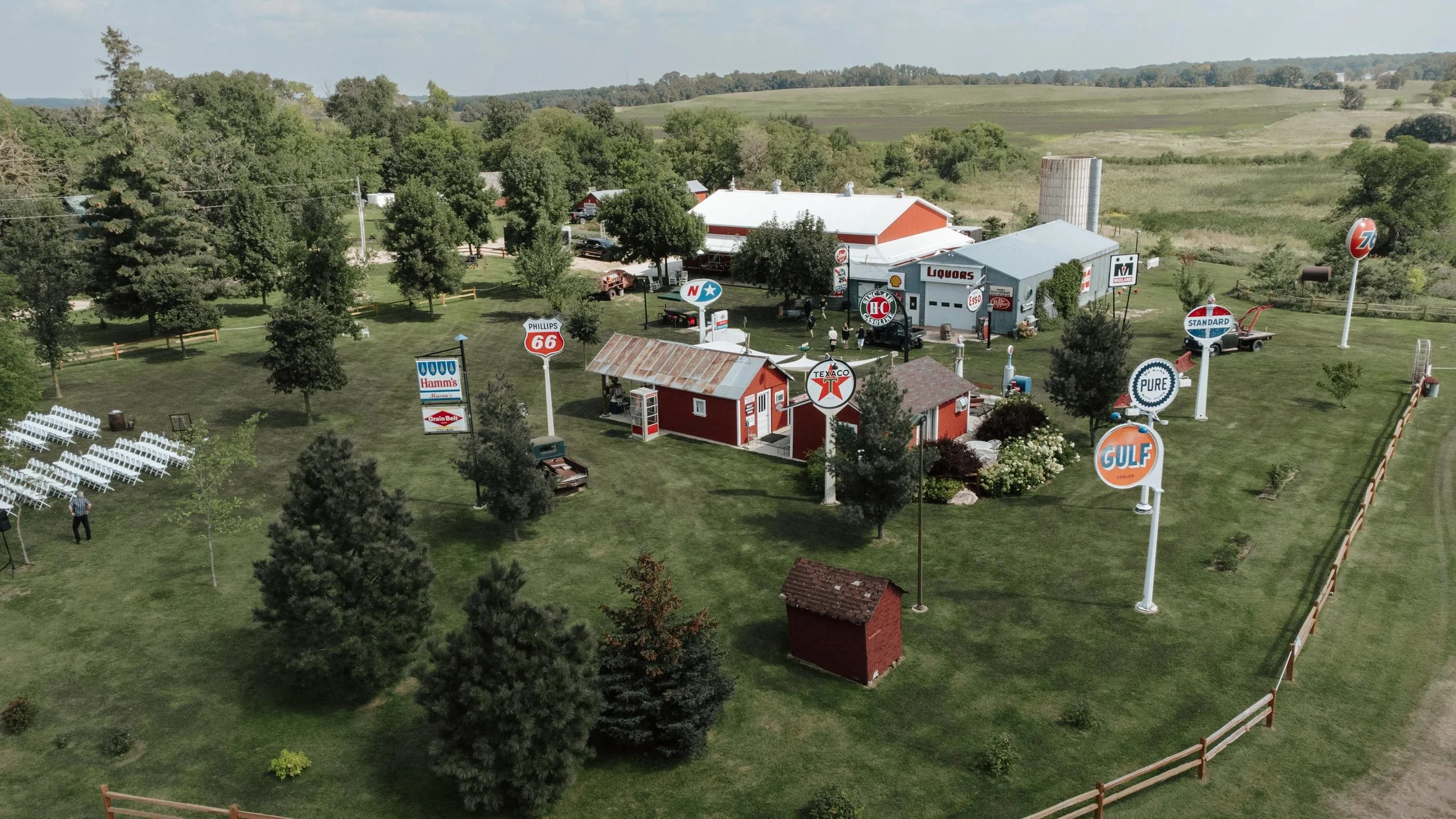
How Adler Ranch Approaches This Differently
At Adler Ranch, this exact issue is something we’ve worked hard to eliminate—not manage after the fact.
Most confusion around venues doesn’t start on the wedding day. It starts much earlier, when expectations are left open to interpretation. So our approach is simple: define things clearly on the front end so there’s nothing to reinterpret later.
That starts with the contract.
Our agreements are written to reflect how the day actually operates—not how it sounds in a sales conversation. Access times are clearly defined. What’s included is spelled out in plain terms. Vendor expectations are outlined so there’s no guessing later about who can arrive when or who is responsible for what. The goal is that when you sign, you understand exactly how your day will function.
From there, we keep those expectations consistent.
Access times don’t shift based on the situation. Policies don’t change depending on the couple. Vendor guidelines aren’t flexible one week and strict the next. Weddings run smoother when everyone is working from the same structure, and that only happens when the structure stays consistent.
Communication is another major piece of this.
You’re not being handed off between coordinators, managers, and rotating staff. You’re working with the same people from start to finish—the people who know the property, understand the flow of the day, and are responsible for how it runs. That continuity removes a lot of the “he said, she said” confusion that can happen in larger operations.
Because we’re independently owned:
decisions don’t get passed through multiple layers
expectations don’t shift depending on who you talk to
and your wedding isn’t one of dozens being pushed through a system
If something needs to be clarified, it’s handled directly and quickly. Not escalated, not delayed, not filtered.
We’re a wedding venue—not a planning service—but our role is to provide a space where the operational side of your day is stable, predictable, and clearly defined. That includes setup, timelines, access, and cleanup. When those pieces are solid, everything else tends to fall into place more easily.
Because once your date is set, the last thing you should be doing is circling back to confirm whether the details still hold.
If you’re still exploring venues—or rethinking your current one—take a close look at how expectations are defined before you sign. And if you want to see how that works in practice, learn more about Adler Ranch and reach out to schedule a tour.
This Is About Clarity, Not Conflict
When something feels like it’s changed, it usually comes down to one of three things: an assumption being corrected, an operation being clarified, or a legitimate issue that needs to be addressed.
The goal is not to push back immediately. The goal is to understand what’s actually happening so you can respond appropriately.
Weddings run well when expectations and operations match. When they don’t, it creates stress that could have been avoided with clearer understanding upfront.
That’s the difference between a wedding that feels smooth and one that feels like you’re constantly catching up.
If you’re touring venues or reviewing contracts, slow down and ask how the day actually operates—not just what it looks like. It will save you time, frustration, and second-guessing later.
If you want to work with a venue where expectations are clearly defined from the beginning—and where you’re speaking directly with the people who run the day—schedule a tour at Adler Ranch. You’ll leave understanding exactly how your wedding will function, not just how it will look.

Why Trust Matters More Than Anything Else
Here’s what years in this industry make very clear:
Couples don’t just need a beautiful venue.
They need a predictable, consistent wedding experience.
They need to know that:
what’s written is what will happen
what’s discussed will be honored
and what’s promised won’t quietly shift later
That’s not about perfection. It’s about reliability. If it’s not written, it’s not guaranteed.
What Should You Do If Your Wedding Venue Changes Something?
If your wedding venue changes something or it feels like details no longer match what you expected, start by reviewing your contract carefully. Then reach out to your venue with clear, neutral questions to understand how the situation is being handled. Most issues are resolved through clarification, but if something directly conflicts with your agreement, it’s important to address it in writing and request a clear resolution.
Frequently Asked Questions
What if my venue is telling me something different than what I remember from our tour?
Start with your contract, not your memory. Tours are often broad and conversational, and it’s easy to walk away with assumptions that weren’t formally agreed to. If the contract supports what the venue is now saying, it’s likely a clarification, not a change.
If something still feels off, ask the venue to walk you through the specific section of the agreement so you can understand how they’re applying it.
Can a wedding venue change policies after I’ve signed a contract?
A venue can update its general policies over time, but your contract governs your specific event. If a new policy directly affects your wedding day and wasn’t included in your agreement, that’s something you should ask about immediately.
In most cases, venues will honor the terms in your signed contract. The issue usually comes down to whether something was clearly defined at the time of booking.
What’s the best way to communicate concerns without making things worse?
Keep it direct and neutral. Avoid emotional language and focus on understanding.
Instead of:
“This isn’t what we agreed to”
Try:
“I want to make sure I understand how this works based on our contract.”
This keeps the conversation open and solution-focused. Most venues are far more responsive when the goal is clarity, not confrontation.
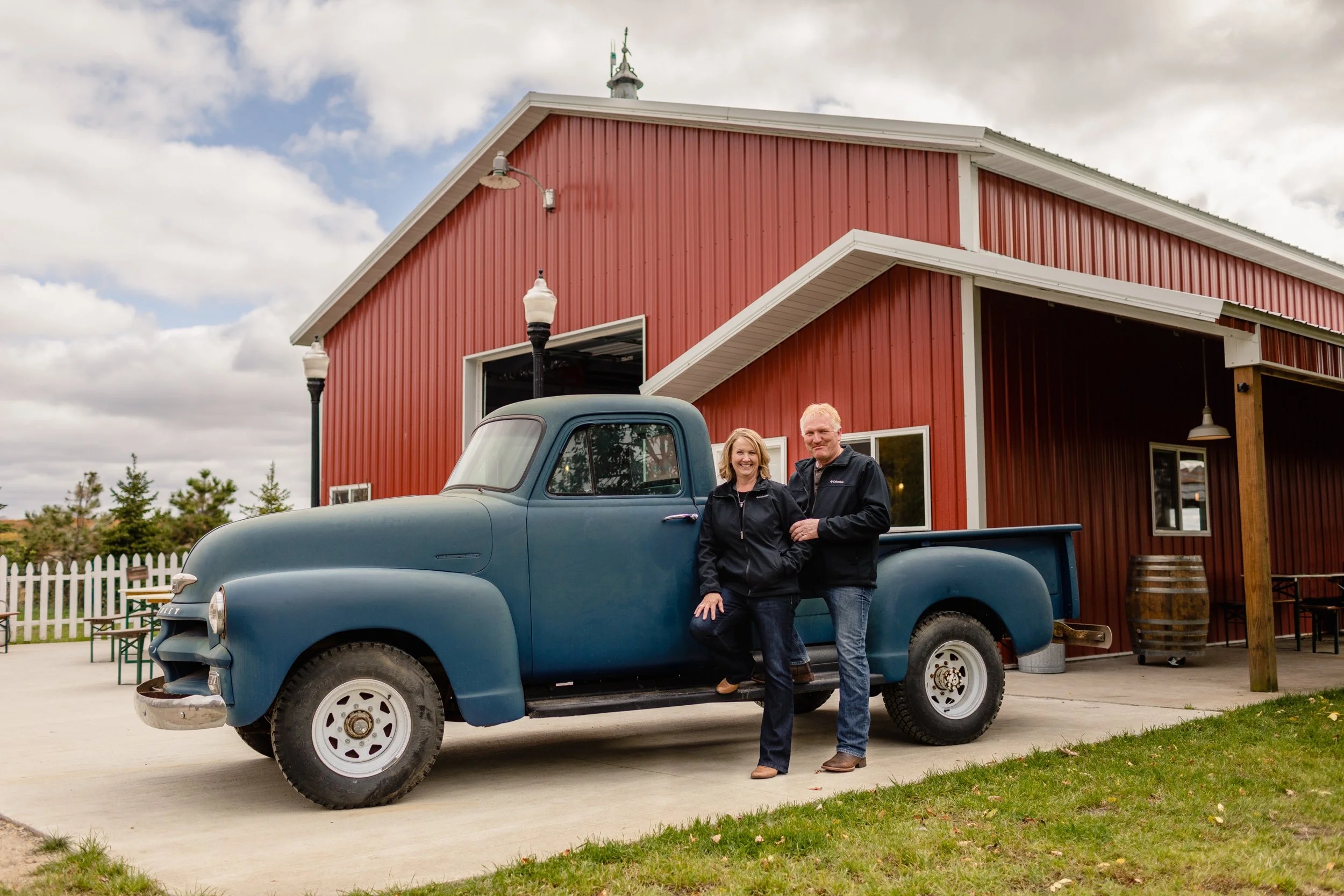
The Friendly Faces at Adler Ranch
The friendly faces behind Adler Ranch. Marlys and Kurt are the owners, problem-solvers, and the ones quietly making sure everything runs the way it should. No corporate layers, no hand-offs—just real people who care about the experience you have here.
Nestled in Minnesota’s lakes country just outside Alexandria — a little over two hours from both Minneapolis and Fargo — Adler Ranch gives couples the opportunity to turn their wedding into more than a single day. It becomes a full weekend experience. There’s room to settle in, space to breathe, and an atmosphere that feels removed from city noise without being inconvenient to reach.
As a privately owned, family-operated wedding venue, Adler Ranch intentionally hosts a limited number of celebrations each season. That means no production lines, no rushed turnovers, and no feeling like you’re one of many. Each couple receives focused attention, thoughtful coordination, and a setting prepared with care. The goal is simple: a wedding that feels personal from the first tour to the final send-off.
And yes — the vintage sign collection is every bit as striking as you’ve heard. Collected over decades, these original illuminated pieces add depth, history, and unmistakable character to the property. When the lights glow after dark, the atmosphere shifts completely. It’s one of those details couples don’t fully understand until they see it in person — and one guests remember long after the evening ends.
If you’re newly engaged and starting to picture something beyond a traditional ballroom or city venue, come see Adler Ranch for yourself. Sometimes one walk across the property is all it takes to realize you don’t have to choose between beauty, comfort, and a truly memorable experience.
For ongoing inspiration, proposal ideas, and practical wedding planning guidance, follow Adler Ranch on
Facebook
Instagram
Pinterest
TikTok
And when you’re ready, schedule a tour through our website. We’d be honored to help you begin the next chapter.
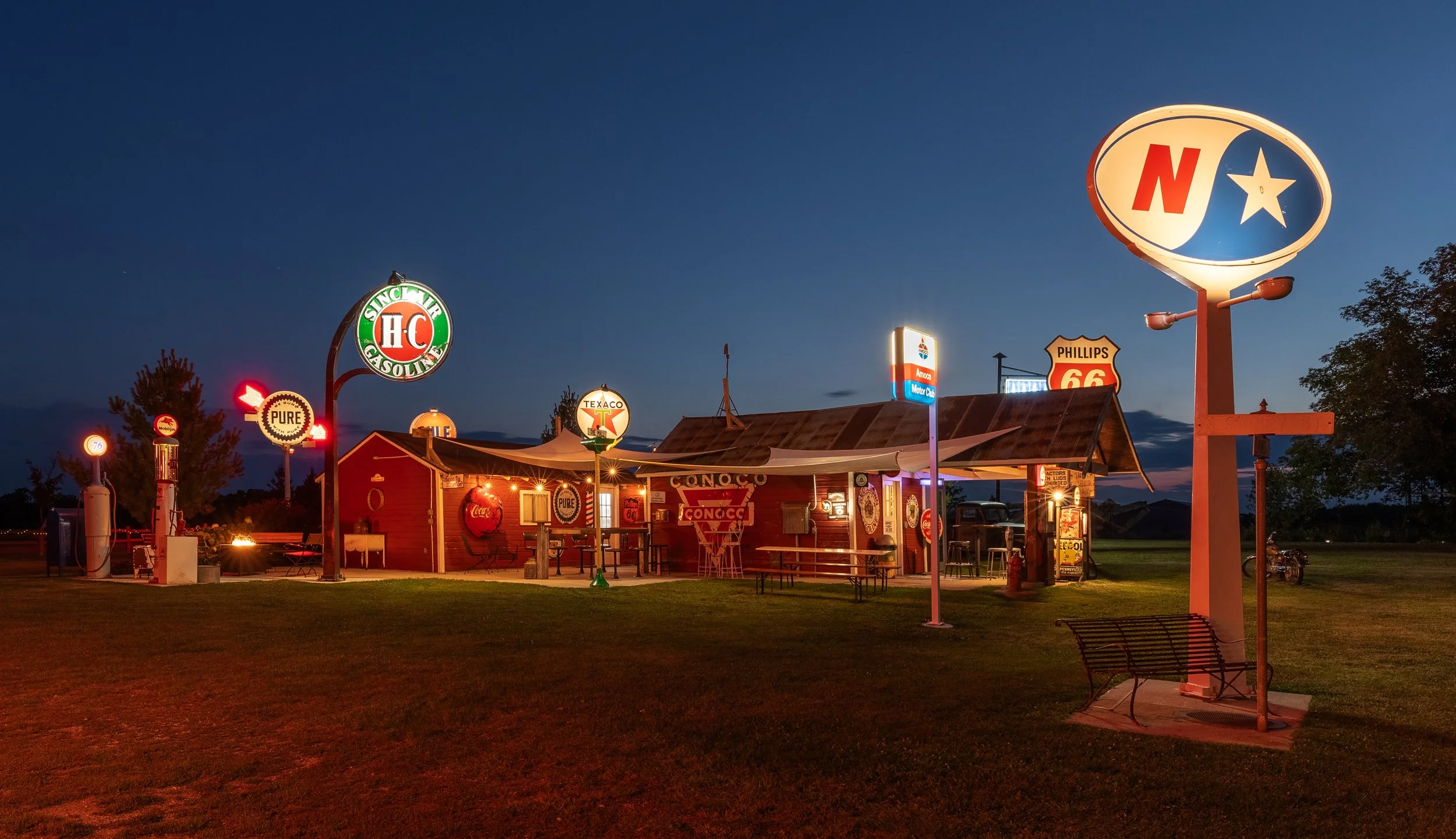
At Adler Ranch Wedding Venue, our vintage lighted sign collection — including rare vintage neon signs — creates a wedding atmosphere you simply won’t find at most venues in Minnesota or anywhere in the country. This one-of-a-kind collection of original illuminated Americana pieces has been gathered over decades and is now part of the guest experience at our unique outdoor wedding venue near Alexandria, MN. What began as a personal passion is now something couples proudly share with their wedding guests — a glowing backdrop that makes every evening feel unforgettable.
Adler Ranch Wedding Venue, 6001 County Road 42 NE, Alexandria, MN 56308, 320-760-8314 | https://www.adlerranch.com Adler Ranch Wedding Venue is a privately owned outdoor wedding venue near Alexandria, Minnesota, featuring expansive grounds, garden-style settings, and curated vintage signage.
Thanks so much for stopping by our blog! We hope you found this information helpful. We’re passionate about using our blog to shine a light on locally owned wedding venues. These venues often bring a higher level of expertise, service, and dedication to your big day. Plus, with less staff turnover than corporate or investor-owned venues, they’re able to provide a more personal touch. As you plan your wedding, we’d love for you to consider a locally owned venue like ours! Check out this wedding venue mapto discover amazing locally owned venues across the country. And a big shout out to all the incredible locally owned wedding venues out there!
The Haycraft, Brandt 1910, Willow Creek Farm
The Manor at Willow CreekElegant Countryside Wedding Venue in Landrum, South Carolina Outdoor Garden Ceremonies • Indoor Wedding Receptions • Locally Owned Wedding Venue Acres of Natural Beauty • Scenic Photo Locations • Peaceful Countryside Setting. The Manor at Willow Creek Landrum, South Carolina 29356 themanoratwillowcreek.com info@themanoratwillowcreek.com
Service Area: Landrum SC • Greenville SC • Spartanburg SC • Tryon NC • Upstate South Carolina • Western North Carolina